Understanding the Different Types of Horse Races:
Tropical Racing’s Beginner’s Guide
Horse racing has long been known as the Sport of Kings—a spectacle of athleticism, bravery, and skill that stretches across continents and centuries.
Yet, for all its glamour and tradition, many newcomers are surprised to learn that horse racing is not a single sport but a collection of disciplines.
In fact, racing takes many different forms around the world — from the high-speed duels of flat racing to the stamina-sapping jumps of steeplechasing, and the rhythmic strategy of harness racing.
For members of Tropical Racing and newcomers to the world of racehorse ownership, understanding these differences adds a whole new dimension to the enjoyment of the sport we love.
Whether you’re following a syndicate horse, watching the Breeders’ Cup, or tuning into the Cheltenham Festival from afar, each racing discipline offers its own story, culture, and racing heroes.
This beginner’s guide breaks down the major types of horse races, explains what makes each discipline unique, and helps you appreciate how horse racing thrives in so many exciting forms around the world.

The Main Categories of Horse Racing
Broadly speaking, horse racing is divided into three main disciplines:
- Flat Racing – pure speed and strategy over a level surface with no obstacles.
- Jump Racing (National Hunt Racing) – a test of stamina blended with speed, jumping, and bravery over obstacles.
- Harness Racing – where the horse pulls a lightweight cart (sulky) and races at a specific gait.
Each has its own rules, traditions, and specialized horses, but all celebrate the same timeless bond between horse and human.
Different countries tend to focus on one discipline more than others.
In the United States, flat racing dominates, while in the UK and Ireland, National Hunt jump racing takes center stage through the winter months.
In Scandinavia, France, and Australia, harness racing has passionate followings, and in the Middle East, Arabian racing connects the modern sport to its ancient desert roots.
Flat Racing – The Purest Test of Speed
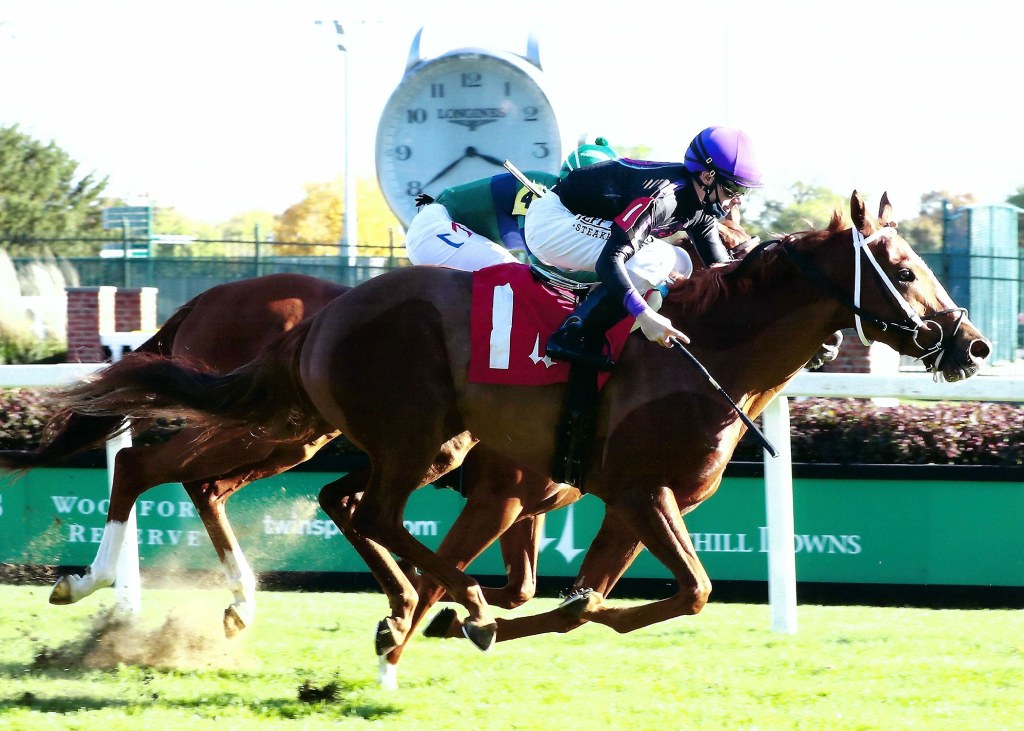
Flat racing is the most widely recognized form of horse racing across the globe, and for good reason. It’s fast, tactical, and visually thrilling to watch.
No obstacles stand in the way; instead, it’s all about acceleration, and split-second timing between horse and jockey.
How Flat Racing Works
Flat races are run over level ground, typically from five furlongs (⅝ mile or 1000 meters) for sprints up to two-miles and five-furlongs in the Queen Alexandra Stakes (the longest flat race) at Royal Ascot.
Horses break from the starting gates (stalls), and the first to cross the finish line wins.
While it sounds simple, flat racing is deeply strategic. The draw (starting position/gate), pace of the race, track surface, and turf conditions all play a role in determining the outcome.
In the United States, major tracks like Churchill Downs, Belmont Park, and Santa Anita host top-level flat races, including the Breeders’ Cup.
Internationally, the sport’s grandest stages include Ascot (UK), which hosts the world-famous Royal Ascot Festival; Longchamp (France), which hosts the Qatar Prix de l’Arc de Triomphe; and the Curragh and Leopardstown (Ireland), which host the ever-popular Champions Weekend.
While further south, Meydan (Dubai) hosts the spectacular show that is the Dubai World Cup Carnival, and Flemington (Australia) hosts the historic Melbourne Cup.
The Surfaces: Dirt, Turf, and Synthetic
 Flat racing takes place on three primary surfaces:
- Dirt: Common in North America; fast and demanding.
- Turf: The traditional surface in Europe; more forgiving and suited to stamina. Ground conditions can range from firm to heavy, and race meetings are rarely abandoned due to rain-soaked ground.
- Synthetic (All-Weather): A man-made surface designed for consistency and safety. Made from a mixture of sand, synthetic fibers, and wax (Polytrack, Tapeta, and Fibresand).
Each surface demands different qualities from a racehorse.
Dirt races reward early speed and front-running styles. In contrast, turf races often favor strong closers and tactical jockeyship, but can also become a true test of stamina depending on the underfoot turf conditions.
This is an important distinction that owners at Tropical Racing can consider when selecting their next horses.
Types of Flat Races
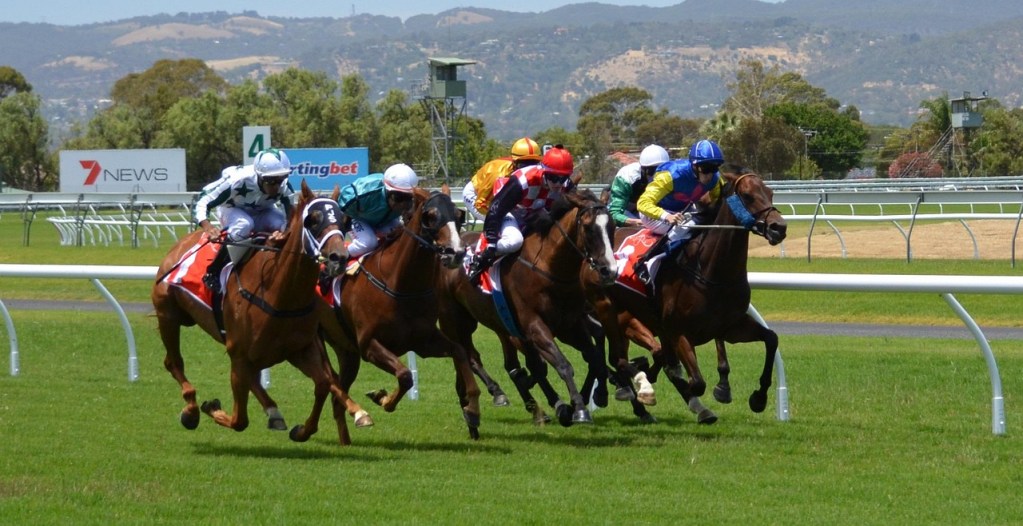 Flat races are divided into several categories:
- Maiden races: For horses that have yet to win, often where a young horse/two-year-old begins its career.
- Allowance/Conditions races: For developing horses that have shown promise but have yet to hit their full potential.
- Claiming races: Horses are entered with a set purchase price, and may be purchased after the race by new connections (Owners).
- Handicap races: Horses carry different weights, based on ability, to even the playing field.
- Graded/Group races: The elite level, showcasing the sport’s best horses, with Group 1/Grade 1s being the most prestigious.
These graded or “stakes” races, such as the Kentucky Derby, Breeders’ Cup Classic, Epsom Derby, or Prix de l’Arc de Triomphe, define greatness and often determine future breeding value of the winners.
Why Flat Racing Captivates Fans
The appeal of flat racing lies in its drama and uncertainty.
It can be over in less than a minute, yet every decision, from the break from the gates to the final stride, counts. The breeding industry also plays a huge role; speed and grit on the track can translate into value in the breeding shed.
At Tropical Racing, where the thrill of racehorse ownership is shared among syndicate members, flat racing offers the most accessible entry point into the sport, with the dream of winning on the grandest stage of them all, very much in the forefront.
Jump Racing (National Hunt Racing) – Heart-Stopping Drama, mixed with Bravery
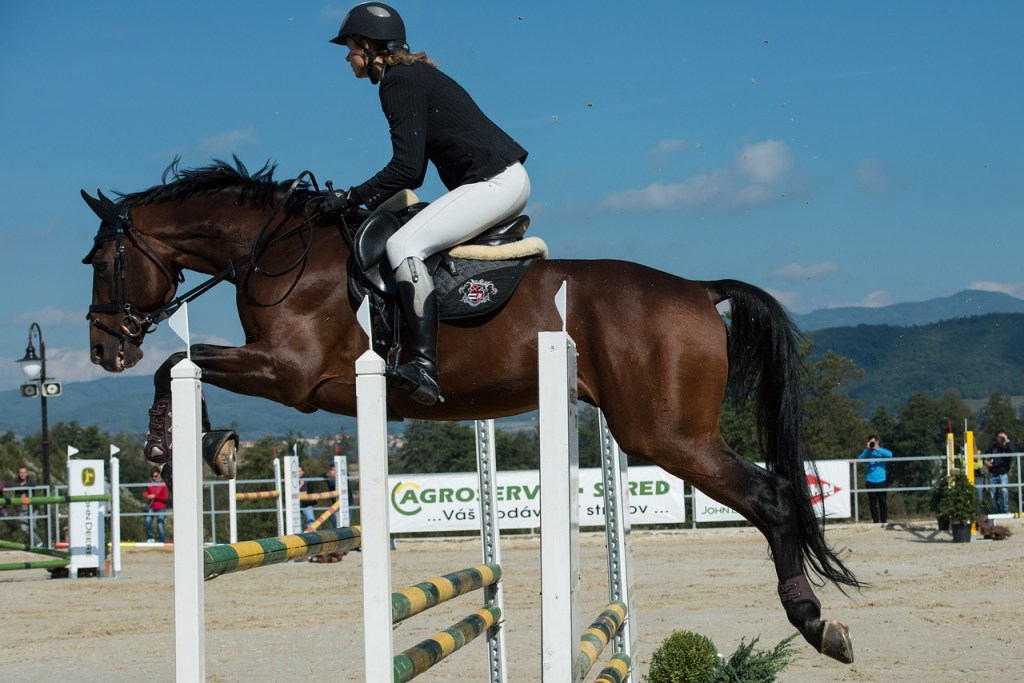
If flat racing is about pure speed, jump racing (also known as National Hunt racing) is about endurance, bravery, and trust between horse and jockey.
Horses race over obstacles, hurdles, fences, or even cross-country courses (bank races), testing not only their speed but also their jumping ability and stamina.
A Brief History
Steeplechasing traces its roots back to 18th-century Ireland, where riders would race from one church steeple to another across open countryside; hence, chase races are called steeplechases.
Today, jump racing remains a cherished tradition in the UK, Ireland, and parts of France, with iconic events that draw global attention. And truth be told, jumps racing is the most popular of the two disciplines.
Types of Jump Races
- Hurdle Races: Smaller than chase (steeplechase) obstacles made of brush or rubber that require speed and accuracy. (minimum of three and a half feet high)
- Steeplechases: Larger fences requiring precision, agility and bravery.
- Bumpers (National Hunt Flat Races): Races without jumps for horses starting off in their career.
Distances range from a minimum of two miles up to four miles, two and a half furlongs (Grand National distance), with all races featuring multiple laps of the course.
Iconic Jump Racing Festivals
No sport captures the heart like jump racing’s marquee events.
- The Cheltenham Festival: Known as the Olympics of national hunt racing and held over four days, including the world-famous Cheltenham Gold Cup.
- The Grand National Festival (Aintree): Perhaps the world’s most famous steeplechase, which is the centrepiece of the three-day festival.
- Dublin Racing Festival (Ireland): A two-day festival, commonly known as the DRF, is set just weeks before the Cheltenham Festival and hosts eight Grade 1s, including the Irish Gold Cup and Irish Champion Hurdle. Cheltenham Festival dreams are realized or dashed over these two epic days of national hunt action.
- Punchestown Festival (Ireland): A celebration of Irish National Hunt racing, where Cheltenham Festival scores are settled once and for all.
Arkle, Red Rum, Tiger Roll, Kauto Star, Hurricane Fly, and, most recently, the two-time Gold Cup hero, Galopin Des Champs, have all been synonymous with these National Hunt festivals.
The Unique Appeal of Jump Racing
Jump racing is not just about speed; it’s about heart, bravery, and the will to win. Horses often race for many years, building loyal followings and emotional connections with fans.
A good jumper must combine athleticism, intelligence, and bravery, traits that endear them to jump racing fans across generations.
For syndicate members, jump racing offers something deeply personal. Seeing your horse develop from a novice hurdler into a seasoned chaser creates a long-term journey that few other sports can match. And no matter the price tag of the horse, the dream of owning a Cheltenham winner is always at the top of the list.
And while Tropical Racing is primarily rooted in flat racing, many members enjoy following the jump season abroad, where history and passion run as deep as the fences are high.
And who’s to say that we at Tropical Racing won’t eventually delve into National Hunt racing?
Harness Racing – Rhythm, Strategy, and Partnership
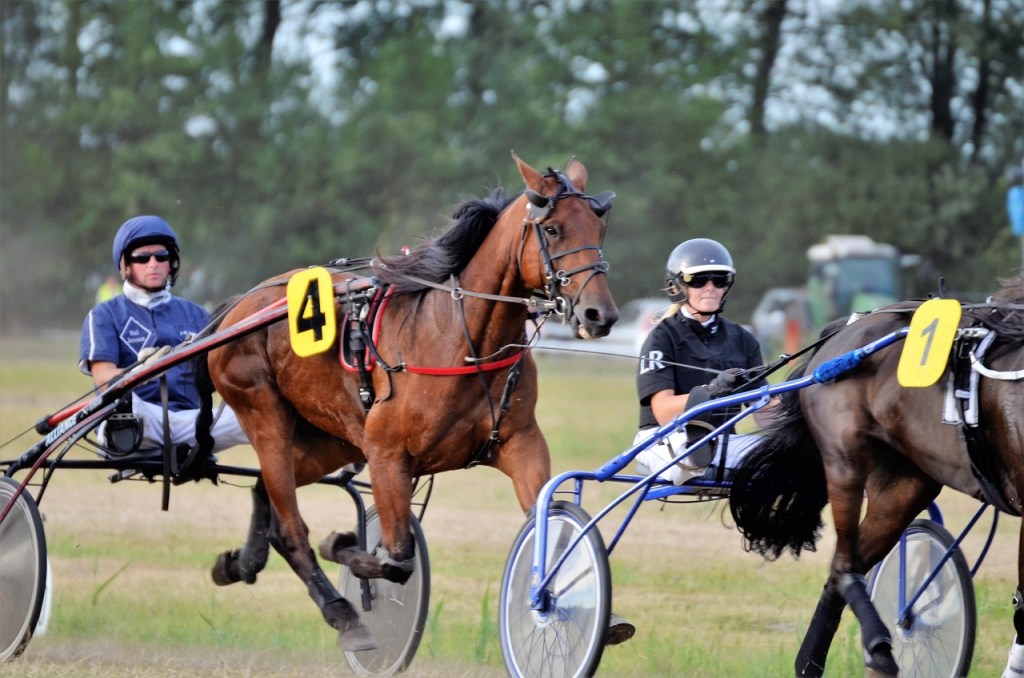
Harness racing may look different, but it’s no less thrilling. Instead of a jockey riding on the horse’s back, the horse pulls a lightweight two-wheeled cart called a sulky, driven by a driver (jockey) seated behind.
The Basics
Horses in harness racing compete at a specific gait (movement or stride), either the trot or the pace.
- Trotters move their legs in diagonal pairs (front left and rear right together).
- Pacers move both legs on the same side together (left side, then right side).
If the horse breaks into a gallop, it must slow down or risk disqualification.
Where Harness Racing Thrives
Harness racing is hugely popular in the United States, Canada, France, and Scandinavia.
American venues like The Meadowlands in New Jersey and Yonkers Raceway in New York are iconic harness racing hubs.
At the same time, Europe’s elite race, the Prix d’Amérique in Paris, draws international stars each January.
In Sweden, the Elitloppet is a major sporting event that rivals flat racing’s biggest days for prestige, attracting thousands of racegoers.
The Strategic Side
Harness racing is deeply tactical. Because races unfold at a more controlled pace, positioning, timing, and the driver’s split-second decisions are pivotal.
Tracking behind another horse can conserve energy, while making a move too early or too wide can cost a victory. Fans of harness racing often compare it to chess at 30 miles per hour.
Every move has to be calculated, and success depends on harmony between horse and driver.
Why It Matters
For Tropical Racing members looking to deepen their understanding of global racing, harness racing highlights a fascinating contrast. It’s less about raw speed and more about rhythm, strategy, and teamwork.
It also underscores the versatility of horses when trained and bred for specific gaits, which can excel in entirely different forms of racing.
Other Racing Disciplines Around the World
Horse racing’s beauty lies in its diversity. Beyond the primary three forms, other disciplines showcase different types of skills and traditions.
Quarter Horse Racing
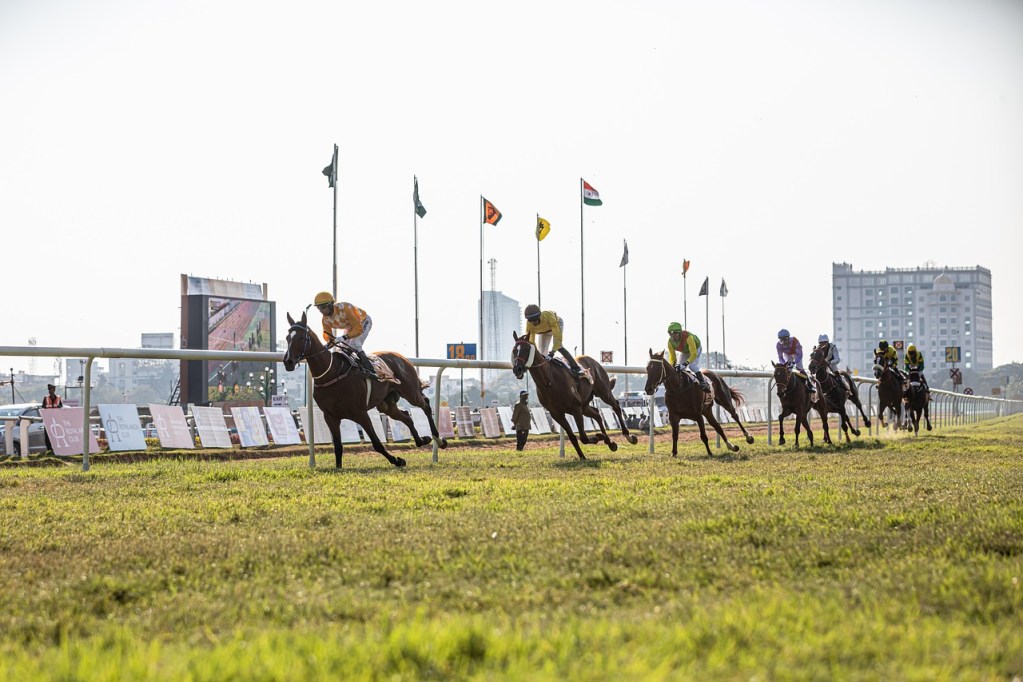
Unique to North America, Quarter Horse racing is all about explosive acceleration. These races are short —often a quarter of a mile —and over in less than 20 seconds.
Horses burst from the gates like sprinters, and the start is often as important as the finish, with some clocking up to 71km.
Quarter Horses are muscular and built for power, making them the ideal athletes for this thrilling format.
The All American Futurity at Ruidoso Downs Race Track in Ruidoso Downs, New Mexico, is the sport’s crown jewel.
Arabian Racing
Arabian horses, the ancestors of the modern Thoroughbred, have their own racing scene, particularly in the Middle East, France, the US, and in the UK.
Renowned for their stamina and heart, Arabians excel over longer distances and in challenging conditions. And they also require a skilled jockey to bring out the best in their ability.
The Dubai Kahayla Classic, run on Dubai World Cup night in Meydan, is the pinnacle of Arabian racing.
Endurance Racing
Endurance racing tests the ultimate limits of stamina and partnership. These races can stretch over 50 to 100 miles, often across deserts or rugged terrain.
Horses are vetted at checkpoints to ensure welfare and fitness — it’s a sport of strategy, horsemanship, trust, and the will to fight to the end.
The Mongol Derby spans over 1,000 kilometres (620 mi) and is the pinnacle of endurance racing.
Point-to-Point Racing
In the UK and Ireland, point-to-point racing is an amateur version of National Hunt racing, held on countryside courses.
Many jump horses and jockeys start their careers in point-to-points before going on to bigger and better things on a race course. This discipline has produced many Grade 1 winners and is the perfect foundation for young racehorses.
Simply put, it’s National Hunt racing in its purest form.
Comparing the Disciplines

Which Type of Racing Speaks to You?
Every horse racing fan finds their niche.
- If you’re drawn to speed, glamour, and the roar of the crowd, flat racing will capture your heart.
- If you admire courage, endurance, heart-stopping moments, and want to build a rapport with a horse, then jump racing offers unmatched emotional depth.
- If you appreciate strategy and teamwork, harness racing showcases a unique dynamic between horse and driver.
At Tropical Racing, the joy of ownership and participation isn’t limited to one type of race or discipline. Understanding the variety of racing across the world enhances appreciation for the sport and for the horses that make it all possible.
The Global Spirit of Horse Racing
What unites all these racing forms is a shared passion: the connection between human and horse. From the sun-drenched tracks of Florida to the winter hail on the Cheltenham hill or the dirt tracks of Dubai, horse racing transcends borders, disciplines, and cultures.
Syndicates like Tropical Racing embody that global spirit, blending American innovation with an appreciation for international traditions.
For members, learning about the broader landscape of the sport deepens the thrill of ownership and the respect for the horses that carry our dreams —and the dream of one day leading your horse into the winner’s circle.
Conclusion
Horse racing is not a single sport but a world of diverse disciplines. Each is shaped by history, geography, and the unique qualities of the horses themselves.
Flat racing delivers speed and spectacle. Jump racing demands courage and stamina. Harness racing celebrates rhythm and partnership.
But as members of Tropical Racing quickly discover, this is what makes the sport endlessly fascinating. Whether you find yourself cheering a sprint finish at Gulfstream Park, watching horses soar over fences at Aintree, or marvelling at trotting precision in Paris, every race, in its own way, tells the same story of the connection between horse and human.