Horse racing is a world rich with specialized terminology, and one of the most important terms to understand, especially for those new to the sport, is “breezing.” Breezing is a critical aspect of a racehorse’s training regimen and plays a key role in determining a horse’s readiness to compete in races. Whether you’re a seasoned racing enthusiast or a newcomer eager to learn more, understanding the concept of breezing is essential to appreciating the meticulous preparation that goes into creating a race-ready thoroughbred.
Defining Breezing
In horse racing, breezing refers to a controlled workout or practice run where a horse is allowed to run at a fast, but not full-speed, pace. Unlike galloping, which is a slower, more relaxed pace, breezing allows trainers to evaluate a horse’s speed, stamina, and overall fitness while not exhausting the horse. Breezing is typically measured over a set distance, often between three to five furlongs (a furlong is one-eighth of a mile), and is timed by the clocker to gauge the horse’s speed.
The primary objective of breezing is to get the horse in shape for competitive races. It allows trainers and jockeys to monitor how the horse responds to speed and how well it recovers afterward. By tracking these workouts, trainers can develop a fitness plan that gradually builds the horse’s stamina and ensures it reaches peak condition for race day.
How Breezing Works
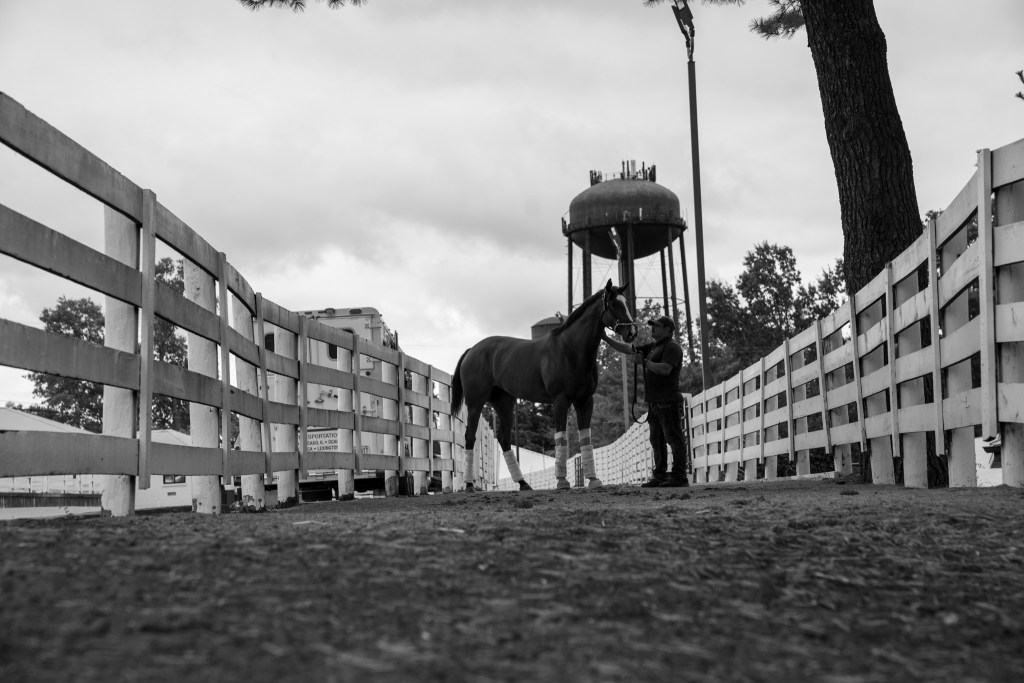
Breezing workouts usually take place in the morning at the racetrack. Horses are brought out onto the track in lighter, less restrictive tack than they would wear on race day. The goal is for the horse to run smoothly and comfortably at a fast pace, with minimal urging from the rider.
Horses are typically “breezed” without the use of a whip, and the jockey or exercise rider often sits quietly, allowing the horse to set its pace. This lack of rider encouragement during a breeze is what separates it from a handily workout, where the horse is encouraged by the rider to run at a faster pace.
Times during a breeze are an important indicator of a horse’s fitness level and potential. The workout is usually measured in fractions of a second per furlong, and faster breezes generally indicate a higher level of readiness. However, trainers also look at how the horse moves and its overall demeanor during the breeze to assess its readiness for an upcoming race.
Breezing vs. Galloping
A key distinction to understand is the difference between breezing and galloping. Both terms refer to the pace at which a horse is moving, but there are crucial differences in their purpose and intensity.
- Galloping: This is a standard pace at which a horse moves around the track and is typically part of daily exercise routines. Galloping is slower than breezing and is used to build the horse’s endurance gradually.
- Breezing: A faster and more intense workout, breezing allows trainers to test a horse’s speed and fitness in preparation for races. Breezing is part of a more targeted workout regimen and is done to measure progress and readiness for competition.
While galloping is done more frequently to maintain fitness, breezing is often done once or twice a week leading up to a race to sharpen the horse’s speed and ensure it’s race-ready.
Why Breezing Matters
Breezing is a vital component of horse training for several reasons:
- Fitness Evaluation: It allows trainers to assess a horse’s current fitness level. By tracking breeze times and the horse’s overall performance, trainers can make informed decisions about how much more training is needed before a race.
- Conditioning: It helps build speed and stamina in horses. Like athletes, horses require consistent conditioning to perform at their best. Breezing helps them acclimate to the demands of a fast-paced race.
- Health Monitoring: A breeze can reveal potential issues such as soreness, lameness, or respiratory problems that might not be noticeable during slower workouts. Trainers closely monitor how a horse reacts to breezing and whether it recovers well afterward.
- Race Readiness: Breezing gives trainers a preview of how a horse might perform in a race. A good breeze can indicate that a horse is close to peak condition and ready for competition, while a poor breeze might suggest the need for more training or rest.
What Trainers Look for in a Breeze
When a horse breezes, trainers aren’t just concerned with the clocked time. They pay attention to several factors that can provide insight into the horse’s overall condition:
- Movement: Trainers observe how fluidly the horse moves. Smooth, effortless strides are a sign of fitness, while choppy or uneven movement may indicate soreness or discomfort.
- Recovery: How quickly the horse recovers after breezing is a critical measure of fitness. A well-conditioned horse will catch its breath and return to normal quickly after the workout.
- Energy Level: Trainers also assess the horse’s demeanor before and after breezing. A horse that appears tired, lethargic, or stressed after a breeze might not be ready for the rigors of race day.
How Breezing Influences Betting
For those who enjoy betting on horse racing, understanding breezing can provide valuable insights into a horse’s potential performance. Many racetracks publish breeze times leading up to races, and bettors often use this information to gauge which horses are in top condition.
Fast, consistent breezes are often seen as a positive sign that a horse is ready to perform well, while slow or erratic breezing times can raise concerns about a horse’s fitness. However, it’s important to remember that breezing is just one factor among many, and a horse’s overall health, track conditions, and jockey performance also play crucial roles in race outcomes.
Conclusion
Breezing is a fundamental part of preparing racehorses for competition, offering trainers, jockeys, and bettors a glimpse into the horse’s readiness. It’s more than just a fast workout; it’s a finely tuned assessment tool that helps ensure horses are at their best on race day. For those interested in the sport of kings, understanding the importance of breezing deepens the appreciation of the hard work and precision that goes into every race. Whether you’re an aspiring owner, trainer, or bettor, knowing what breezing entails can provide a key insight into the world of horse racing.